Understand the process. Control the variables.
Learn how pulsed fibre laser cleaning works, where it may be suitable and why test patches, operator controls and safety planning matter.
How pulsed fibre laser cleaning works.
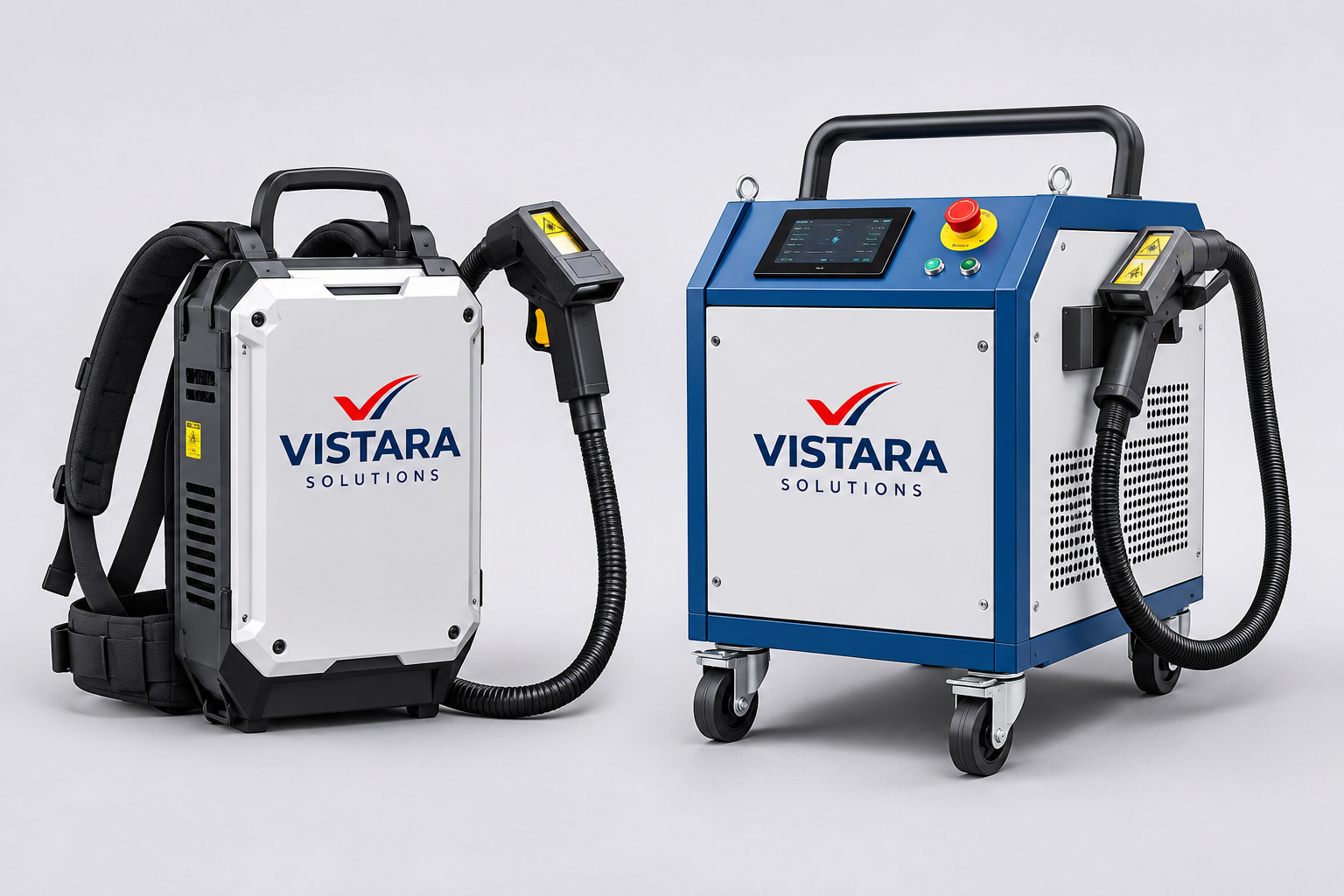
A controlled beam of short laser pulses interacts with the unwanted layer on a surface. The operator adjusts the process to suit the material, the deposit and the required finish.
Target the deposit—not the whole component.
A pulsed fibre laser delivers concentrated energy in very short bursts. When the beam scans across a suitable surface, the contaminant layer absorbs energy and is rapidly heated. Depending on the material and settings, the deposit can loosen, fracture, vaporise or be removed through ablation and other rapid energy-transfer effects.
The underlying material may respond differently from the contaminant. This difference can allow selective cleaning when the wavelength, pulse energy, pulse duration, repetition rate, focus, scan speed and overlap are correctly chosen.
Important: Laser cleaning is not automatically damage-free or suitable for every surface. Results depend on the substrate, coating, contamination, surface condition and operating parameters. A controlled test patch is essential before wider treatment, especially on heritage materials.
From assessment to inspection.
Each job follows an agreed method statement and site-specific safety controls.
- AssessStep 1
- Identify the surface and deposit
We examine the base material, coating or contamination, surface condition, access and surrounding environment before selecting a cleaning approach. - Set parametersStep 2
- Configure the laser
The operator selects suitable pulse energy, frequency, scan speed, focus and scan pattern within the equipment limits and approved procedure. - Clean in passesStep 3
- Scan the target area
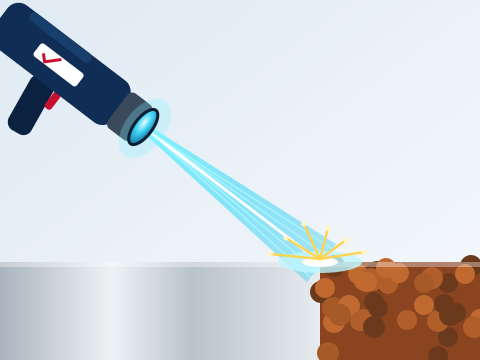
Short pulses interact with the unwanted layer as the handheld head moves across the surface. Cleaning is performed in controlled passes, with the response monitored continuously. - Extract & inspectStep 4
- Remove residues and review
Suitable local extraction captures airborne particles and fumes. The cleaned area is inspected, compared with the agreed test patch and documented before the next area is approved.
A precise option—not a universal answer.
Short, high-peak-power pulses can selectively remove suitable unwanted layers. Correct setup and operation are essential.
| Method | Potential advantages | Considerations |
|---|---|---|
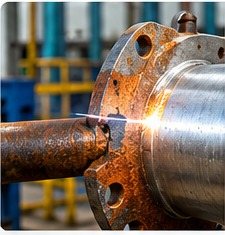 Pulsed fibre laser | Non-contact; adjustable parameters; no blasting media; precise treatment of selected areas. | Needs trained operators, laser safety controls, fume extraction, test patches and careful parameter selection. Not suitable for every substrate or contaminant. |
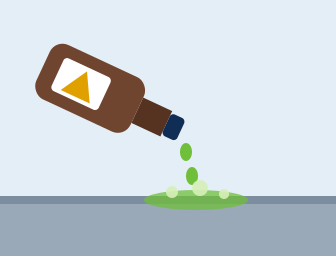 Acid / chemical cleaning | Can remove certain deposits and oxides on compatible materials. | Chemical handling, residue and neutralisation; possible etching, staining or damage to sensitive surfaces. |
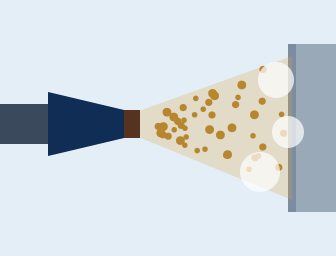 Sand / abrasive blasting | Can clean large, robust surfaces quickly with suitable media and controls. | Abrasive impact may erode fine carvings or original texture; generates spent media and dust. |
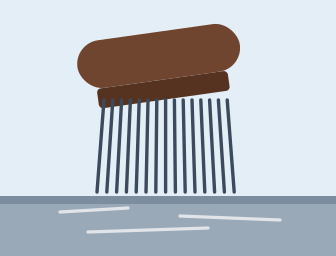 Wire brushing / mechanical | Accessible and familiar for selected robust surfaces. | Contact can scratch, polish, round edges or leave tool marks; difficult to control on intricate details. |
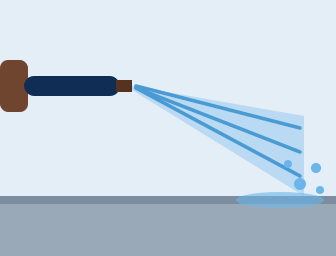 Water / pressure washing | Useful for some robust surfaces and loose deposits. | Water ingress, runoff, salts and moisture retention need consideration on porous or historic materials. |
Laser cleaning is not automatically safer or better for every material. The surface, deposit, condition and conservation requirements determine the suitable method.
Talk to our laser cleaning team.
Tell us about the site, material and deposits to be removed. Our team will discuss a suitable cleaning approach and arrange a site assessment where required.
- Website
- www.vistarasolutions.in
- Office
- Sy. No. 37/10/5, Panchamukhi Palace, KG Road, BHEL 2nd Stage, Sapthagiri Layout, Rajarajeshwari Nagar, Bengaluru – 560098.